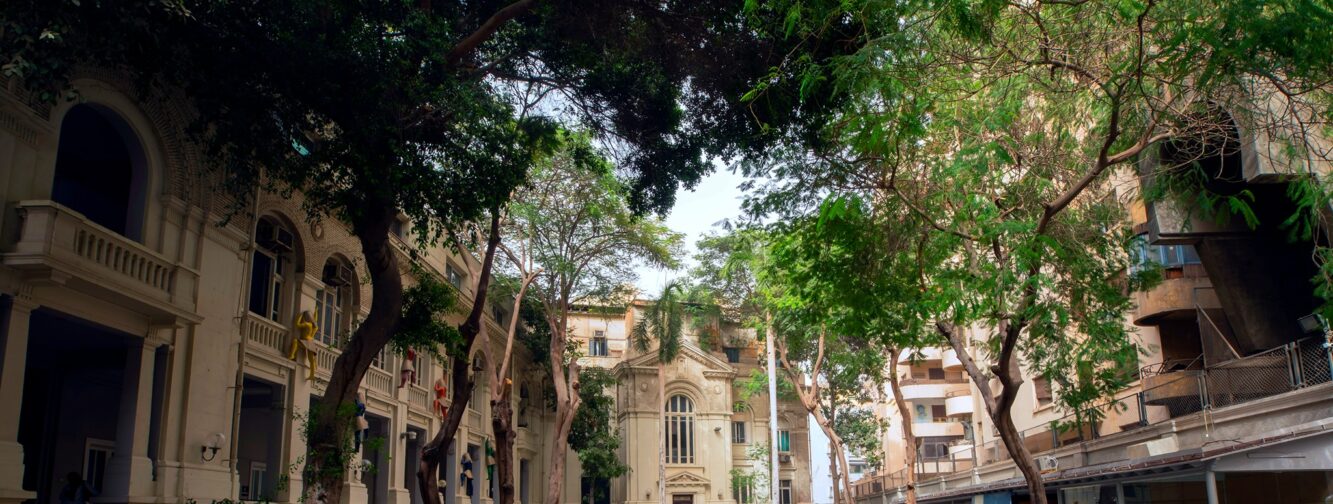



Zamalek, Cairo, Egypt.
Zooba: Homemade Fetar in Zamalek
Zooba’s head owner and executive chef Moustafa Elrefaey says he’s tired of fetar feasts that sell out on quality for quantity and lack attention to flavours and pairings. “You end up so full, you don’t know what you just ate,” he says. So in designing the special menu, the chefs at Zooba—all part owners involved in every aspect of the restaurant including its service, as Elrefaey proudly points out—focused less on variety and more on the comforts that make breaking fast a familial and communal affair.
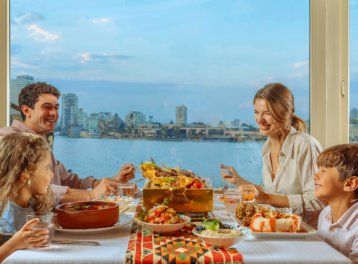
The fetar meal (110LE excluding tax) is served buffet style, ladled by the chefs themselves, and consists of the day’s selection of soup, main dish, vegetables, rice, sides, salad, dessert, and beverage.
Our sampling started off with a tall mug of spinach soup enriched by hummus and lentils, a fresh farmer’s salad of coarsely sectioned tomatoes and onions spruced up with sprigs of cilantro and dill, and a new found favourite: a summer salad of watermelon and arugula tossed in with morsels of barameeli cheese. The salty, creamy white cheese marries well with the sweet, crisp cubes of melon and is consummated with the slightly bitter bite of arugula leaf.
Egyptian mainstays of pure comfort like chicken and molokheyya (the traditional, slimy green-leafed soup), sha’reya (snippets of vermicelli strewn in rice), and roqaq (minced meat layered between sheets of puff pastry) left us lining up for seconds. The chicken was braised in a tangy, red sauce, whose recipe Chef Yasser Ramadan was hesitant to divulge. “There’s vegetable stock, spices, you know, the usual stuff. But what makes it special is the love we put into making it,” he says.
Love or cayenne—whatever it is—the meat was tender through and through, and its sauce, delectable over mounds of perfectly cooked sha’reyya and ‘Zooba rice,’ an original concoction of cilantro-infused rice. Homemade potato and beetroot chips, not too oily and not too chewy, add a crunchy texture and the necessary dash of salt.
Tin cups of pure hibiscus or amar eldine (apricot) juice washed down our savory fare. On other days, renditions of other baladi drinks like kharroub, sobya, dom and tamr hindi are offered.
For sweets, Zooba maintains its local mandate, elevating the conventional Ramadan treats of konafa, baklava, and katayef. Made in house, the bite-sized pastries are delicate but intact; sweet but not cloying; and simply ambrosial. Our top toothsome picks are the date-filled konafa and all four variations of baklava: peanut butter, caramel nuts, subia and dried fruits. Boxes of assorted desserts are available, as well as painted bucket gift sets
of Zooba's artisan products.
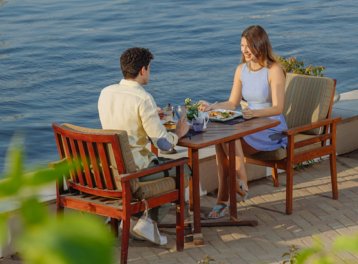
Luckily during Ramadan, the narrow corridor extends outside to sidewalk tables, allowing more patrons to join the communal meal. But reservations are highly recommended. Set al fresco and lit by the warm, incandescent bulbs from the cafe’s distinctive sign, Zooba’s fetar keeps its promise: a festive spread of home-grown dishes in a chic, casual setting that compels us to break fast, but relish in piecemeal.
Is there no end to new restaurants in Cairo? Feteera opened at the beginning of March and like many of the brand new eateries which pop up out of nowhere in Zamalek, it looks to be a hip joint from the outside. However, Fateera avoids being pretentious; its walls may be adorned with indie pop art images, but its main feature is a huge stone oven at the back – which, far from being a mere gimmick, turned out to be a wonder when it comes to cooking pies.
In Egypt, feteera can translate into anything from ‘pie' or 'pancake' to 'pizza' – balady-style – so those new to the dish may be curious as to what they'll receive. Although the menu reads ‘pie’, the selection of toppings suggests pizza, and as we waited for our ‘feteera’ to arrive we were further perplexed as we watched the chef sculpt the dough into an assortment of shapes, looking suspiciously like a pancake.
On offer from Feteera’s menu are vegetarian, cheese, seafood and chicken or meat dishes, plus additional toppings which are available for between 2LE-11LE.We ordered a Chicken and Pesto Pie (52LE) and a Mushroom Roll (25LE).
When the food arrived, it was piping hot, but we were still none-the-wiser about what to call it. We can best describe it as a crispy pancake stuffed with pizza-style fillings, so the best word for this creation may indeed be: pie. The Chicken and Pesto Pie was creamy and delicious, offering a good balance of flavour with plenty of chicken to fill the 12 inch dish. The pastry was cooked beautifully and formed a light flakey casing for the chewy cheesy center. Slightly worrying were the grease stains left at the bottom of the dish and after our cutlery failed to live up to the job, using our fingers to eat the pie turned out to be messy business.
The roll was a crispy pancake wrap, such as to rival Lebanon’s manouche. It contained roasted peppers, which despite not having been specified on the menu were a warming addition to what was otherwise a very plain snack. The mushrooms were slightly undercooked and hadn’t properly infused with the other flavours and despite the encouraging chunks of garlic and olives, all were tasteless. The roll proved to be too doughy and plain, losing all its taste despite the crunchy chewy texture we bit into at first boded well.
For dessert we treated ourselves to the Mars wrap (28LE) and a Banana and Peanut Butter wrap (29LE). Feteera could have been more generous with the amount of chocolate but the peanut butter and banana combination was a triumph, if we do say so ourselves. It tasted buttery and soft, filled with just the right amount of ripe banana.
Though feteer with toppings is nothing new, this Egyptian pie house gets the thumbs up from us for bringing a traditional Egyptian dish up to date, allowing diners to fill up on an authentic dish with a modern Zamalek twist.
Loading...