Stray Dogs: Experts’ Opinions on How to Deal with Them Safely
Animal behaviour experts advice animal rights Cairo stray dogs Dog attack prevention tips Dog barking meaning Fear of dogs phobia How to react to stray dogs Stray dog safety tips stray dogs Stray dogs in Egypt What to do if a dog chases you
Farah Nagy
Image via website
In Cairo and other Egyptian cities, the increasing number of stray dogs in the streets remains a hot topic of discussion among people and on social media. While some people have genuine concerns for their safety, and some have a phobia, others have love and compassion for these helpless creatures. This became especially evident in the series of TikTok videos Bassant Dinar shared, in which her mother fed stray dogs and faced harsh criticism for doing so.
Fear Often Comes From Uncertainty

Image via website
Most fear stems from a lack of information; people fear what they do not understand. That is why animal behaviour experts believe that fear and aggression towards stray dogs will not solve anything. Instead, knowing how to deal with them, especially when they suddenly start barking or block the road, helps ensure everyone’s safety. So here is everything you need to know about how to interact with stray dogs, according to experts.
Expert-Based and Research-Backed Guidance
This information is primarily sourced from guidelines issued by animal welfare organisations and accredited animal behaviour institutions, which recommend non-aggressive, safe ways to handle the presence of dogs on the streets. Based on global research and established behavioural guidelines, these insights can help you act confidently and safely when encountering stray dogs.
Just As Social As People
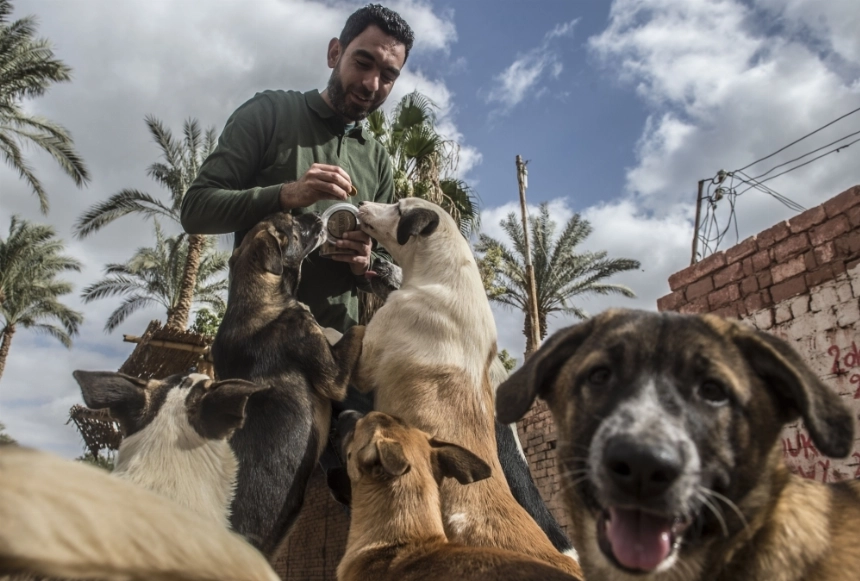
Image via website
It is important to understand that dogs are social creatures. They rely on both vocal sounds and physical cues when interacting with humans or other dogs. Generally, a dog barking at humans is not an attack, but rather a warning or a request for space. The dog may be trying to reduce a perceived threat or protect its territory. This is a natural reaction that needs to be understood rather than feared.
Understanding Dog Behaviour to Alleviate Fear
Scientifically speaking, stray dogs are part of the urban environment and often adapt to human presence in complex ways, not just through aggression. Studies on stray dog behaviour indicate that they learn from human reactions, meaning your calmness can positively influence their response.
Intense fear of dogs that reaches the level of a phobia is a real issue for many people. However, overcoming it requires patience and a gradual understanding of the dogs natural behaviour. A calm and informed approach can help reduce fear over time and foster safer coexistence between humans and animals.
Key to Safety Is Staying Calm
The biggest challenge is avoiding sudden reactions. When a dog sees abrupt movement or hears shouting, it may become stimulated and react defensively or follow its instinct to chase. Therefore, it is important to stand still and remain calm, keeping your hands at your sides and avoiding sudden or exaggerated movements.
It is also important to manage eye contact carefully. Avoid staring directly at the dog in a challenging way. If needed, lower your gaze slightly in a calm manner. This signals that you are not a threat and reduces the likelihood that the dog will chase or escalate its behaviour.
Perceiving Body Language

Image via website
Dogs are highly responsive to human body language. Animal behaviour theories suggest that dogs can interpret simple signals and respond accordingly. For example, standing still makes you appear less threatening, reducing the likelihood that barking will escalate into aggression.
If a dog approaches you, maintain your distance and remain steady. Running or waving your hands aggressively may be perceived as threatening, increasing the likelihood of a chase or defensive reaction.
What to Do in Case of an Attack or a Chase
On the rare occasion that a dog does not calm down easily, especially if it is in a pack or defending its territory, the golden rule is: do not run. Running encourages a dog to chase.
Instead, walk slowly backwards or sideways to create distance. If you have personal belongings, such as a bag, you can place it between you and the dog as a non-aggressive barrier. It is also important to avoid direct eye contact if the dog is displaying aggressive signals.
General Safety Tips
If an area has a large number of dogs, choose a different route if possible. Avoid provoking dogs by attempting to touch or stroke them. If children are present, stay close and instruct them to remain calm and still. If a dog is resting in its usual spot, allow it to settle rather than approaching it.
On a final note, living with stray dogs does not have to be a terrifying experience. Scientific research shows that dogs respond to calm body language, and remaining composed significantly reduces risk. Avoiding sudden movements or running helps prevent agitation. Ultimately, understanding dog behaviour allows you to respond thoughtfully rather than react impulsively. Safety comes from awareness and informed action, not from fear or panic triggered by loud barking.
recommended
 City Life
Media Republic Expands into Saudi Arabia with Arsan Global Partnership
Advertising Agencies Arsan Global +7 City Life