International Humanitarian Day 2026: Photos That Show Kindness in Action
acts of kindness egypt global crises humanitarian aid humanitarian photography humanitarian stories humanitarian work ICRC International Humanitarian Day Photography Red Cross refugees social impact UNICEF Volunteering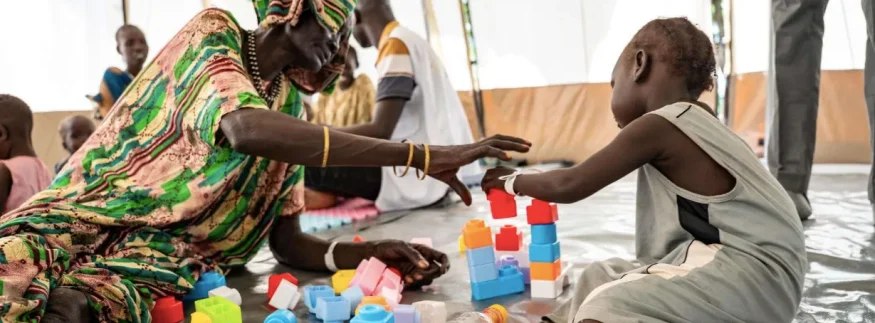
Sarah Francis
International Humanitarian Day, marked every year on August 19, is usually associated with aid workers, emergency response, and the difficult realities of conflict and disaster. But humanitarian work is not only remembered through statistics, reports, or official appeals. Sometimes, one photo says what a long paragraph cannot: a child receiving a school bag, a volunteer painting a child’s face, a doctor treating the wounded, or a family finding clean water after losing almost everything.
In 2026, humanitarian photography has continued to show both crisis and compassion. The images are not always easy to look at, but many of them carry small acts of kindness within them. They show people helping strangers, communities protecting children, volunteers staying when conditions are unsafe, and families rebuilding their dignity in places where daily life has been interrupted.
School Bags for Children in Yemen
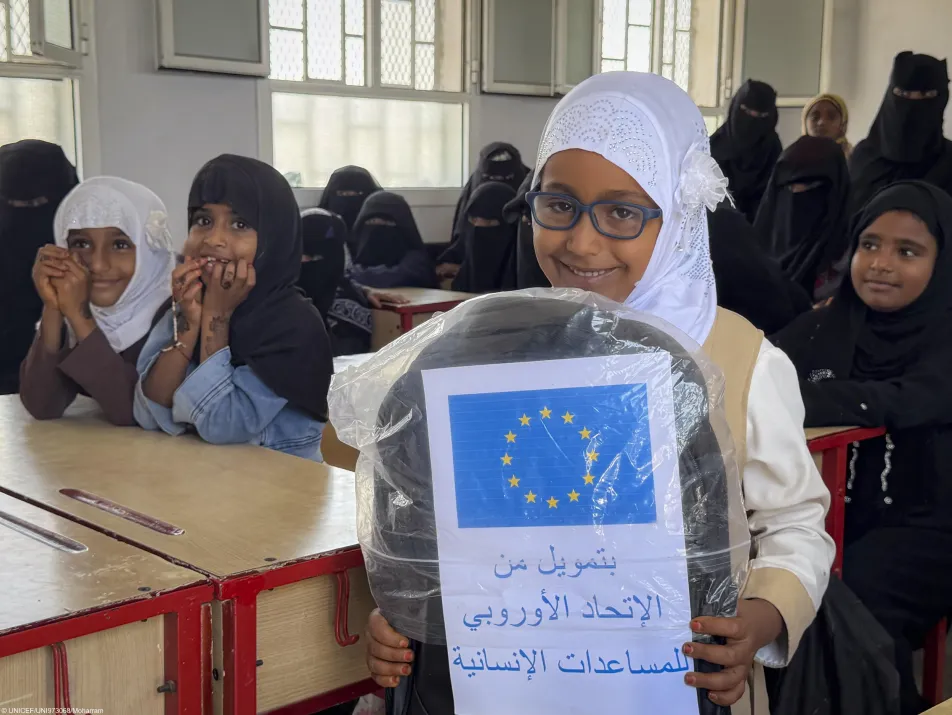
A UNICEF Yemen photo essay published in 2026 showed children receiving school bags and learning materials in Khawkha, Hudaydah governorate. The project, supported by European humanitarian funding, aimed to help vulnerable children return to learning with school items, remedial education, child-protection support, and school rehabilitation. A school bag may look simple, but in a crisis setting, it can mean something larger: a child is being seen not only as a victim of an emergency, but as a student with a future.
Clean Water in Gaza
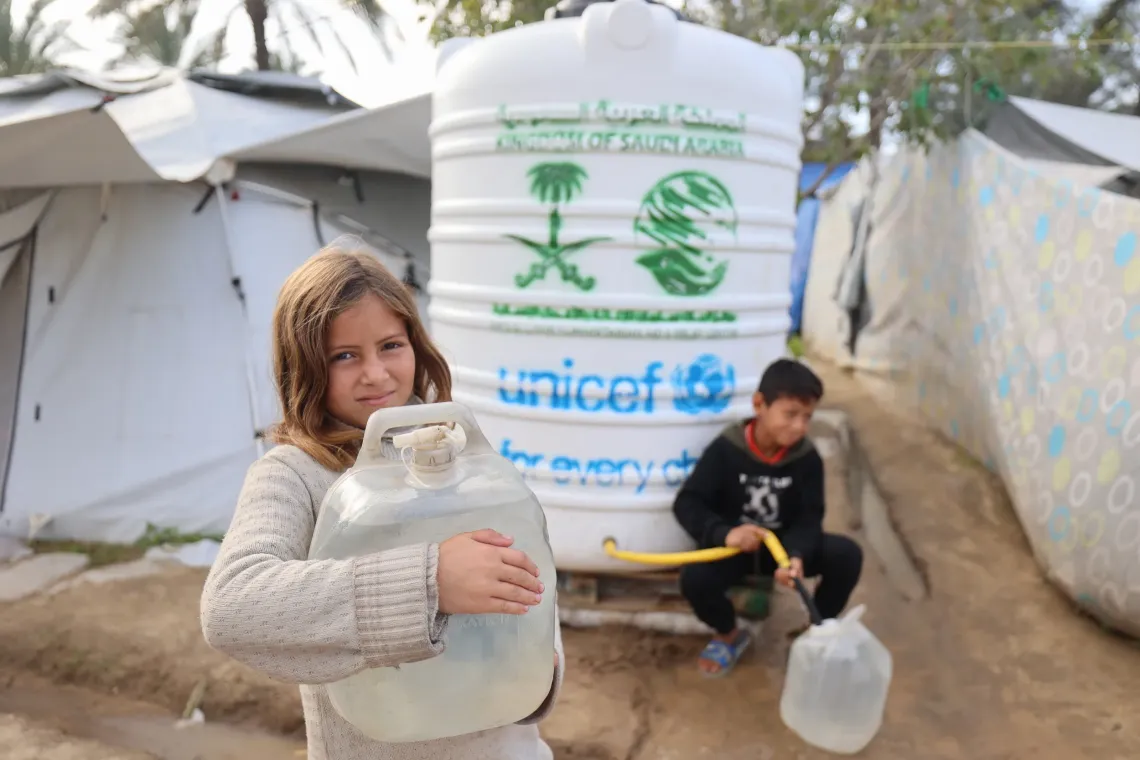
Another UNICEF photo essay from Gaza documented the struggle for clean water in a devastated environment. One image shows a young girl standing near UNICEF-installed and serviced water tanks in Deir al-Balah, close to her family’s tent. The kindness here is practical rather than sentimental. It is water delivered, tanks maintained, and children protected from the added danger of unsafe drinking water. In a place where survival depends on basic services, clean water becomes one of the clearest forms of care.
Children Drawing Peace in Iraq
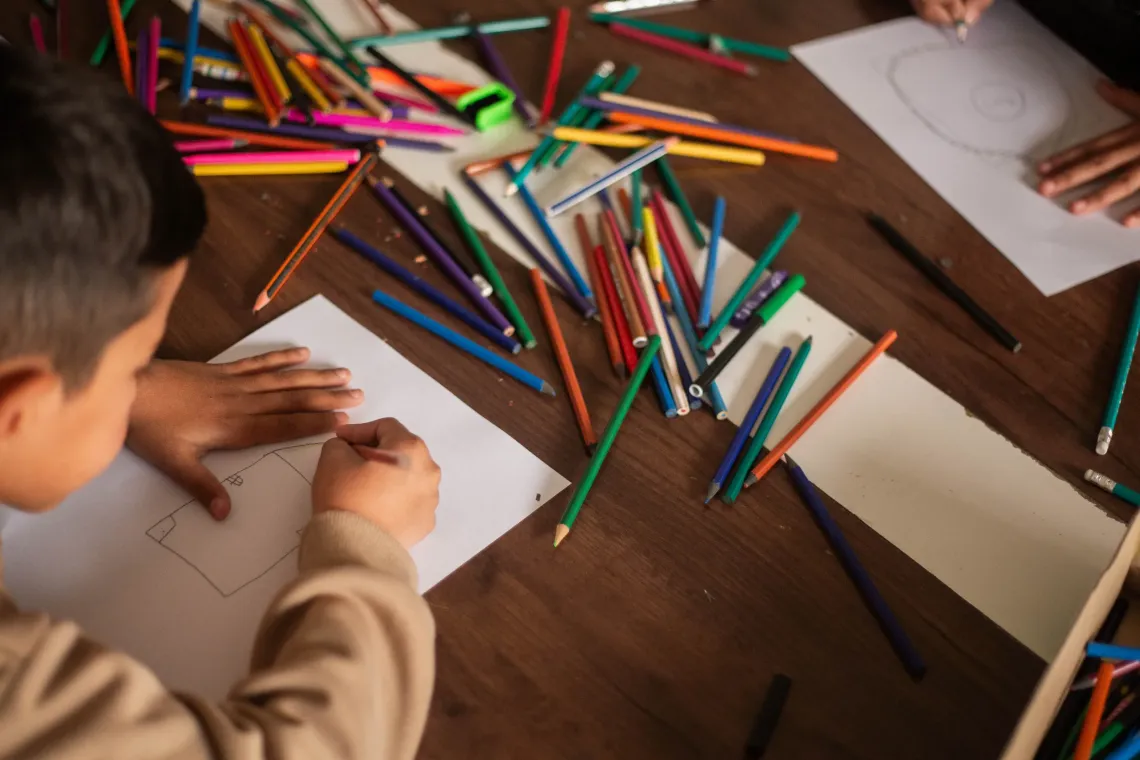
In Iraq, UNICEF published a photo essay showing children taking part in psychosocial support activities, including drawing, football, and group sessions. One of the most moving ideas from the story is simple: children who have lived through fear are given a space to play, imagine, and draw peace instead of conflict. These photos remind readers that humanitarian kindness is not just about food or shelter. Sometimes, it is helping a child feel safe enough to draw again.
Drawing Activities for Children Evacuated from Gaza in Egypt
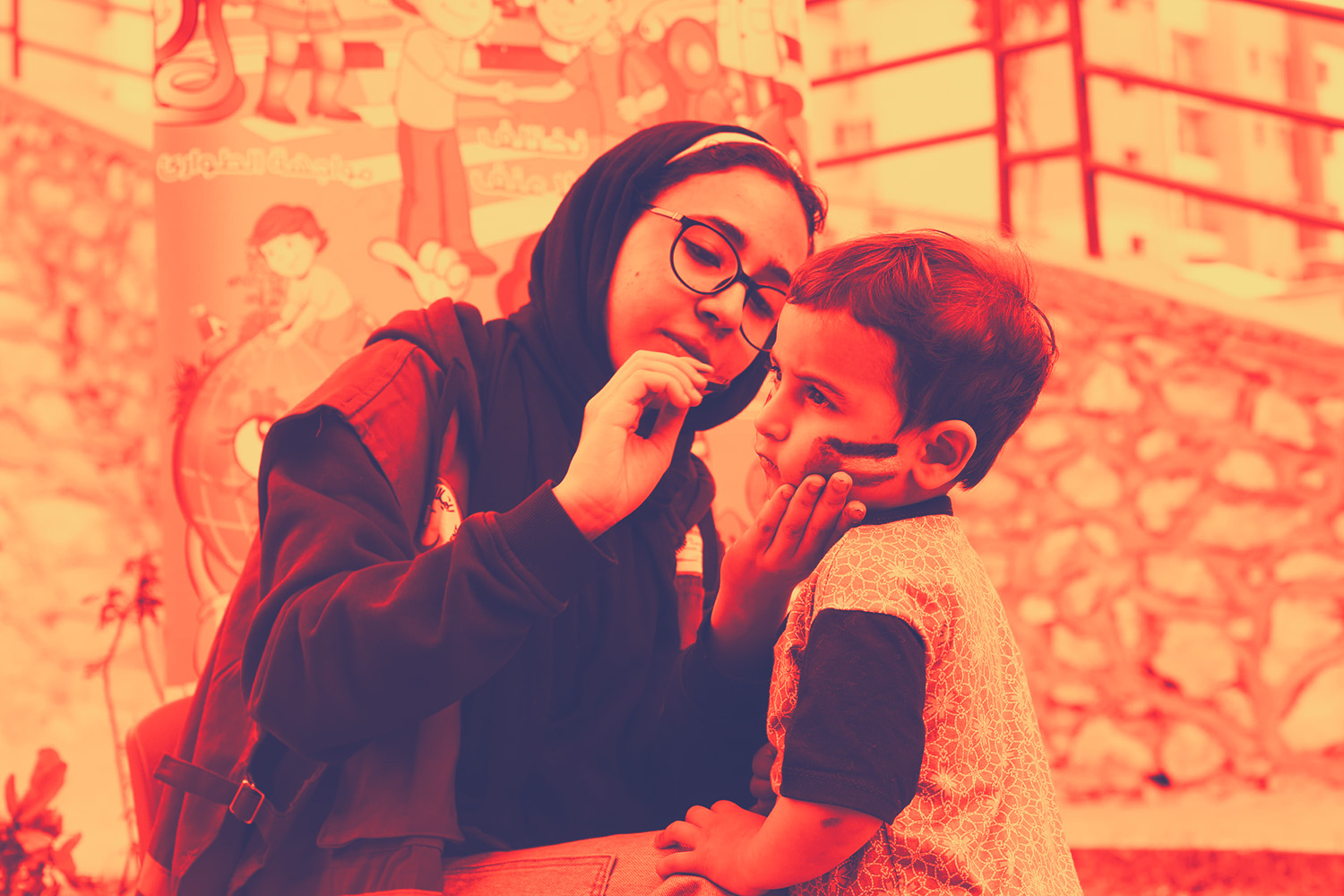
The IFRC’s 2026 volunteer materials include images of Egyptian Red Crescent volunteers spending time with children evacuated from Gaza through drawing, face painting, and psychosocial support activities. These are quiet photographs, but they matter. A child who has been displaced does not only need logistics; they need moments that feel like childhood. A volunteer kneeling beside a child with coloured pens, paper, or paint can become a small act of emotional first aid.
Volunteers Delivering Supplies After Myanmar’s Earthquake
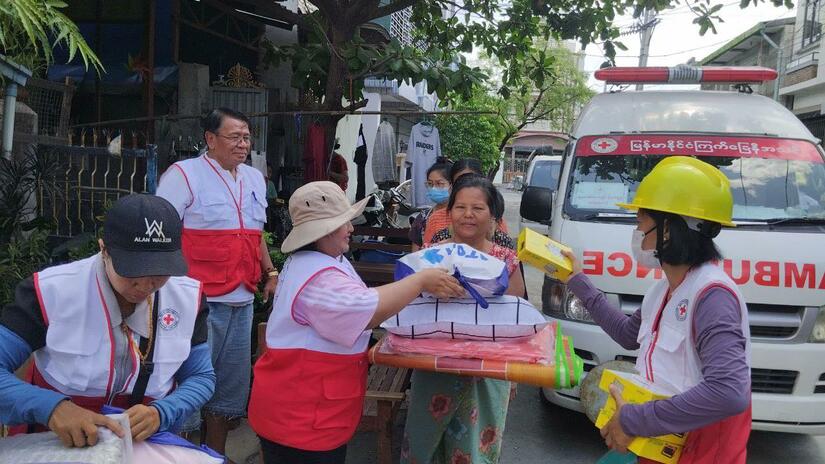
In its 2026 focus on volunteers, the IFRC highlighted Myanmar Red Cross volunteer Honey Thin, a teacher who helped distribute essential supplies after a major earthquake. The image of a local volunteer handing out aid carries a special kind of meaning because it shows humanitarian work at the community level. The person helping is not always a distant outsider. Often, it is a neighbour, teacher, parent, or local volunteer who knows the place, the people, and the urgency.
Red Cross Volunteers After Venezuela’s Earthquakes
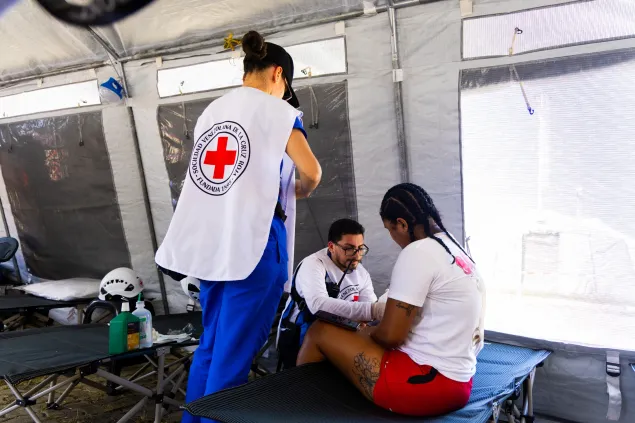
An ICRC photo gallery from July 2026 documented Red Cross response after earthquakes in Venezuela. One image shows Venezuelan Red Cross volunteers attending to a patient in a field hospital set up after the earthquakes. The photo captures kindness under pressure: medical care offered in disrupted conditions, volunteers stepping into emergency roles, and a community trying to recover one patient at a time. In disaster photography, kindness often appears as hands at work.
Medical Evacuations in South Sudan
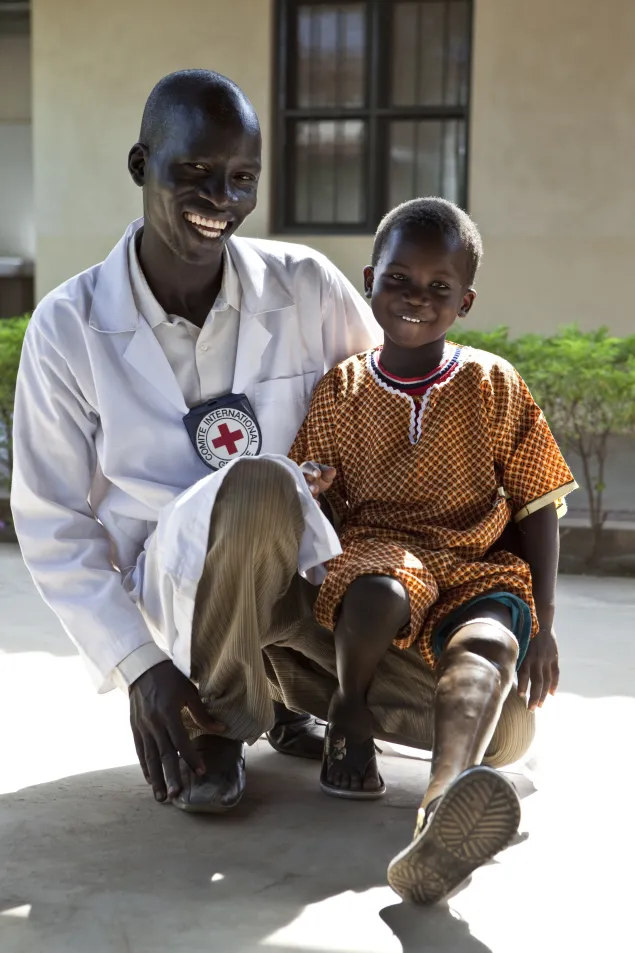
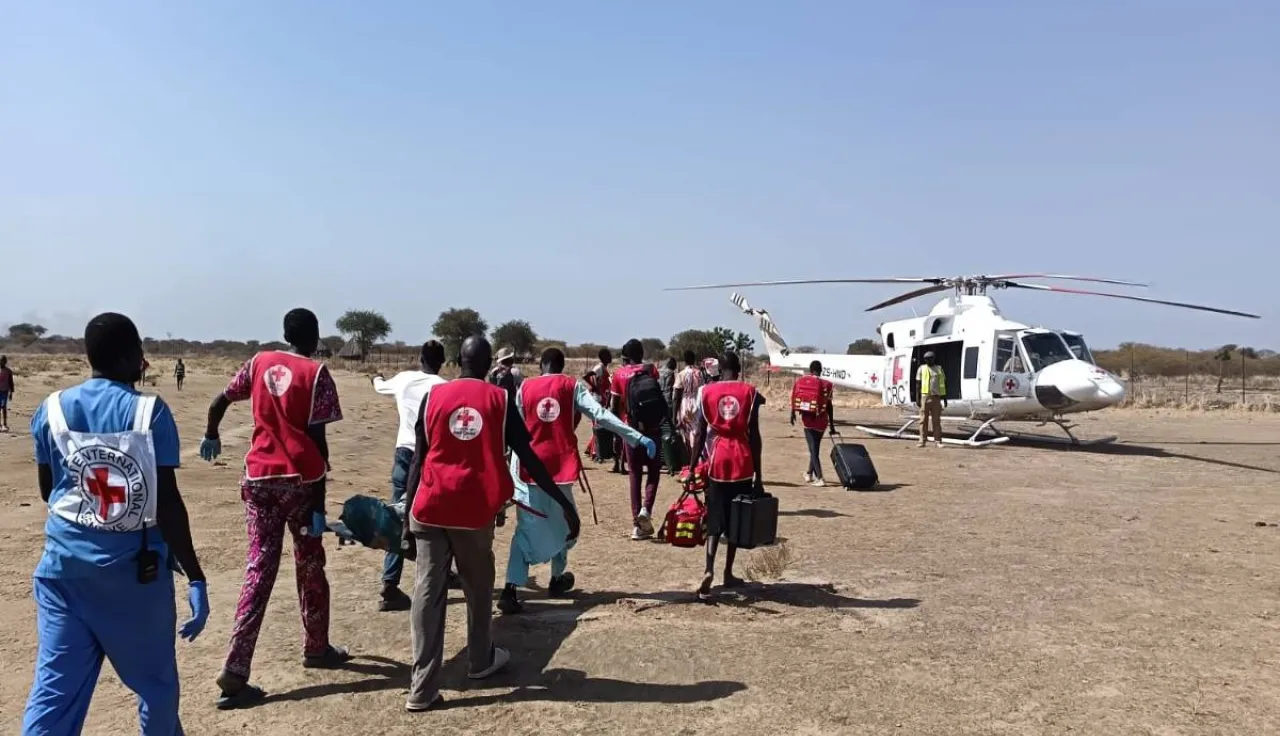
In South Sudan, the ICRC reported that during the first six months of 2026, it evacuated 266 wounded patients from conflict-affected areas, an increase of more than 50 per cent compared with the same period in 2025. The accompanying humanitarian photography shows the strain of medical work in a country where conflict and limited healthcare access leave many people vulnerable. Behind every evacuation is a chain of care: drivers, health workers, surgeons, coordinators, and families hoping help arrives in time.
Refugees Farming for Food Security in Africa
A 2026 World Food Programme story for World Refugee Day showed refugees in Africa taking part in farming and agricultural programmes to build food security and self-reliance. These photos offer a different kind of humanitarian image. Instead of showing people only receiving aid, they show people planting, producing, and strengthening their own communities. The kindness here is not charity alone; it is support that helps people regain agency.
A Sudanese Mother Rebuilding Her Life in Egypt
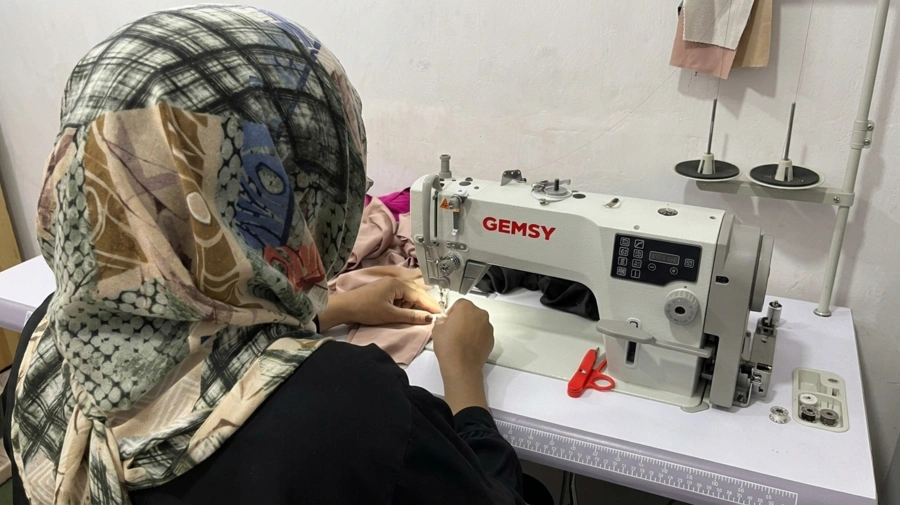
UNHCR Egypt told the story of Azza, a Sudanese refugee in Alexandria who rebuilt her life by starting a small sewing business. The photos around stories like hers document another side of humanitarian kindness: livelihood support, resilience, and the chance to rebuild stability after displacement. A sewing machine, fabric, or a small workspace can become more than a source of income. It can become a way for a family to stand again.
A Hospital Room, a Toy, and a Rare Moment of Joy
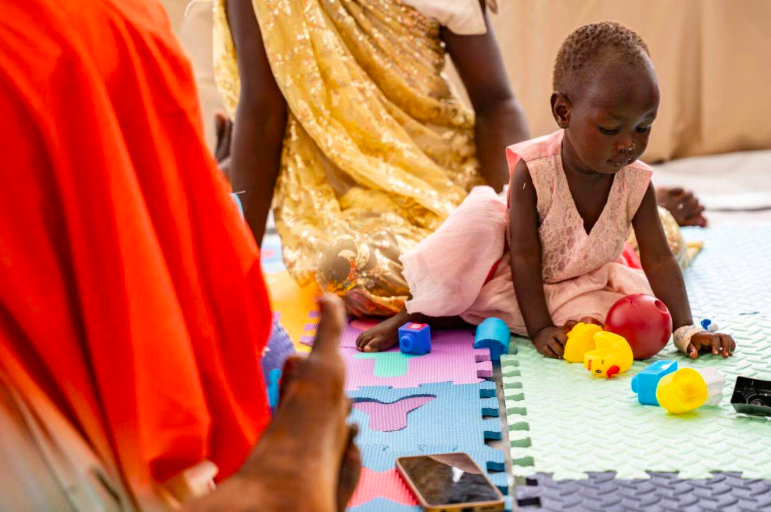
MSF’s humanitarian photo stories often show medical teams working in overwhelmed settings. But some of the most memorable images are the quieter ones: children in hospital wards taking part in mental health support sessions, holding balloons, playing with toys, or sitting beside caregivers. These images do not erase the violence or illness around them. They simply show that even inside a medical crisis, joy can be protected for a few minutes.
What These Photos Teach Us
The strongest humanitarian photos do not turn suffering into spectacle. They show dignity, context, and action. A good image helps the viewer understand that the person in front of the camera is not only a symbol of crisis. They are a child, parent, volunteer, patient, teacher, neighbour, worker, or survivor.
The 2026 images also remind us that kindness is rarely abstract. It looks like a school bag, a water tank, a medical dressing, a drawing activity, a field hospital, a rescued patient, a volunteer’s uniform, or a small business starting again after displacement. These acts may seem modest beside the size of global crises, but they are the moments that keep humanity visible.
Sharing Humanitarian Photos With Care
Humanitarian images should be shared with care. Avoid using photos that expose people’s suffering without context, dignity, or consent. Read the caption, credit the photographer or organisation, and avoid turning someone else’s pain into a generic inspirational post. The best way to honour these images is to understand the story behind them and support credible organisations doing the work.
On International Humanitarian Day, the point is not only to praise kindness from a distance. It is to notice the people who practise it in difficult places, often quietly, often at risk, and often long after the cameras leave.
recommended
 City Life
Media Republic Expands into Saudi Arabia with Arsan Global Partnership
Advertising Agencies Arsan Global +7 City Life