Darb Qormoz: The Secret Behind Fatimid Cairo and Naguib Mahfouz’s Childhood
Al-Gamaliya Al-Muizz Street C360 Cairo Landmarks cultural tourism Darb Qormoz egypt Egyptian history Fatimid Cairo Heritage Sites hidden gems Historic Cairo Islamic Heritage Naguib Mahfouz Old Cairo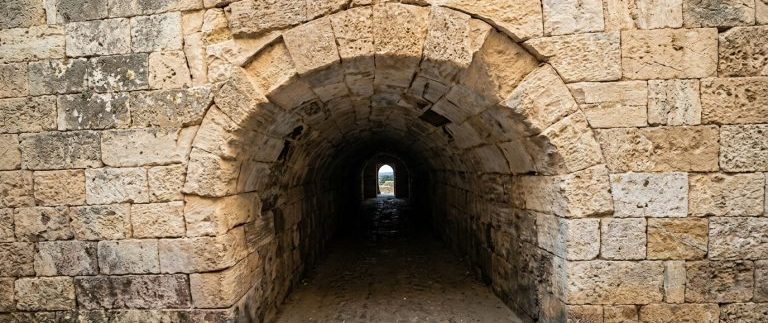
Farah Nagy
In the heart of Fatimid Cairo, amid narrow alleyways that still retain their ancient spirit, lies a small lane that many people might pass without a second glance. Called Darb Qormoz, it is one of the historic streets branching off Al-Muizz Street, but it is far more than just an old passageway in the Al-Gamaliya district. It holds the stories of Sufi mystics and dervishes and witnessed the early childhood years of the world-renowned writer Naguib Mahfouz. These very streets inspired the characters and novels that continue to resonate with readers today.
The Deep History Behind the Name
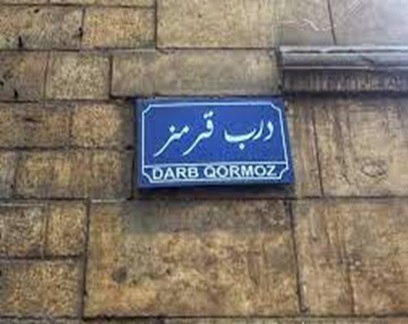
The name may sound unusual to some, but the story behind it dates back centuries. The alley takes its name from Sheikh Mustafa Dede Karamiz, one of the sheikhs of the Bektashi Sufi order, who taught religious and Sufi sciences to students and dervishes at the Sheikh Sinan Tekke, located at the entrance to the alley. Over time, the name “Karamiz” gradually evolved into “Qormoz”, to the point where the sheikh himself became known among the people of Al-Gamaliya as “Sheikh Mustafa Qormoz”. That is how the alley acquired the name it still carries today.
The Alley’s Cornerstone
At the entrance to the alley once stood one of the region’s most important Sufi buildings, the Sheikh Sinan Tekke. More than just a place of worship, it served as a social and religious institution during the Ottoman era, providing food, drink, and accommodation for the poor, the needy, and Sufis. However, the exact date of the tekke’s establishment remains a subject of debate among researchers. Some studies attribute it to Sinan Pasha during the sixteenth century, while others believe it was founded by Sinan Bey Zadeh, the grandson of Sinan Pasha. Despite these differing accounts, most researchers agree that both the shrine and the tekke date back to 994 AH (1585 AD), the date recorded in the foundation inscription above the entrance to the shrine.
Winds of Change and Memory
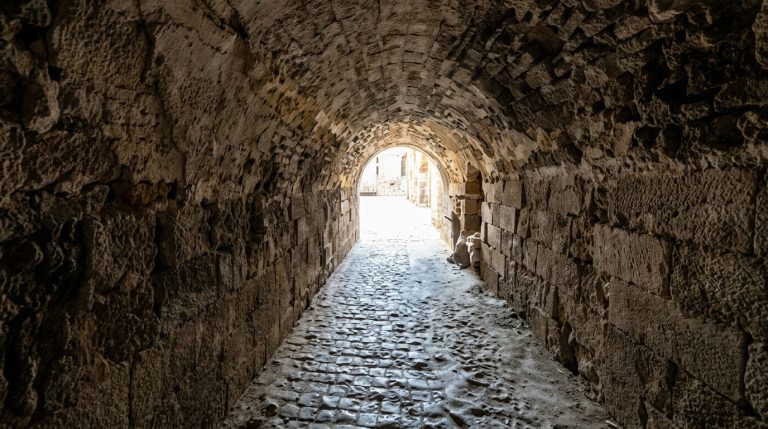
Time has dramatically changed the landscape. Most of the tekke’s buildings have disappeared or been destroyed over the centuries, making way for residential buildings. However, the shrine of Sheikh Sinan still stands as a testament to the area’s long history. Although many visitors pass through the alley without noticing its remains, the shrine preserves a piece of Ottoman Cairo’s memory and reflects the important social and religious role that tekkes once played in the old city.
The Start of a Great Writer’s Story
Some of Darb Qormoz’s most famous stories are linked to the great Egyptian writer, Naguib Mahfouz. Mahfouz was born in building number eight in the alley and spent the first 13 years of his life there before his family moved to the Abbasiya district. Those early years left a profound mark on his literary imagination. The old alleyways, winding streets, and familiar faces he encountered each day found their way into his writing. Perhaps that is why the neighbourhoods of Al-Gamaliya, El-Hussein, Khan Al-Khalili, and Historic Cairo remained central to many of his novels, even decades after he had left the area.
Next time you find yourself walking along Al-Muizz Street, take a detour and step into Darb Qormoz. You may not find grand monuments or famous tourist attractions, but you will discover layers of history, from Ottoman Sufism and the childhood of Naguib Mahfouz to the everyday life that continues among the historic houses of Old Cairo.
recommended
 City Life
Media Republic Expands into Saudi Arabia with Arsan Global Partnership
Advertising Agencies Arsan Global +7 City Life