

Egypt’s Cosmic Secrets: Treasures That Fell From the Sky
Ancient Egypt cairo museums Egypt discoveries Egyptian Geological Museum Egyptian history Hypatia stone Meteorites Nakla meteorite Tutankhamun Space science
Safy Allam
When you think of Egypt, pyramids, temples, and pharaohs probably come to mind. But step off the usual tourist trail, and the deserts and museums of Egypt hold stories that stretch far beyond our planet. From royal daggers forged with meteor iron to rocks that once soared through space, these cosmic treasures are proof that ancient Egypt had a connection to the stars.
Tutankhamun’s Dagger: A Blade From the Heavens
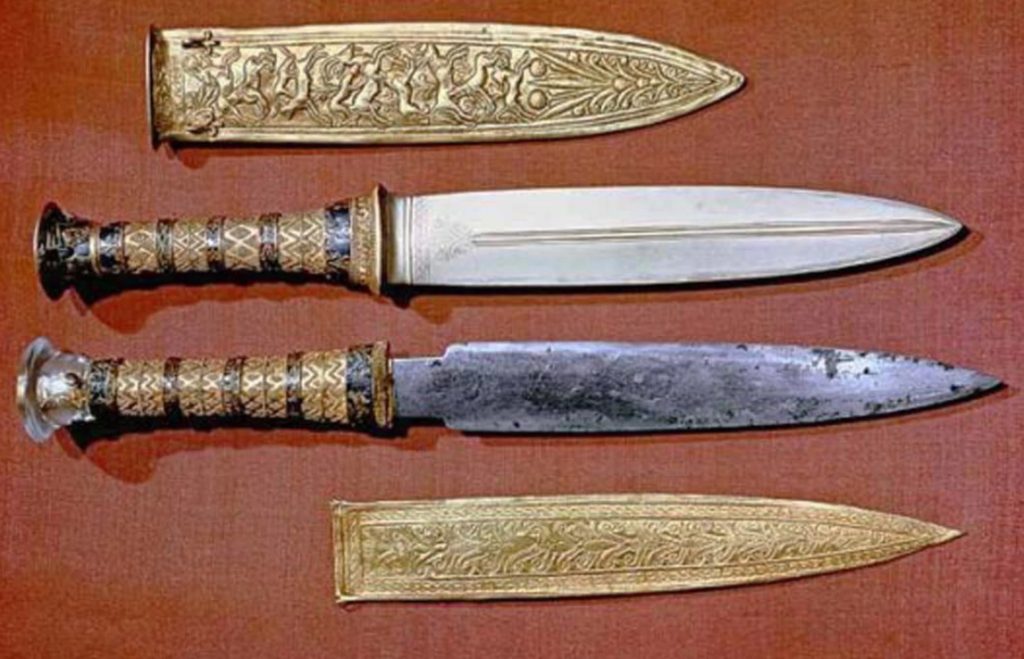
Imagine opening King Tutankhamun’s tomb and finding a dagger so exquisite it seems almost unreal. When archaeologists first uncovered it, the blade looked like ordinary metal. But scientific analysis decades later revealed its secret: it was made from meteoritic iron, rich in nickel and cobalt, literally metal from the sky.
Ancient Egyptians hadn’t yet mastered iron smelting, which makes this dagger even more extraordinary. It wasn’t just a weapon; it was a cosmic artefact, a direct link between a young pharaoh and the universe above.
5,000-Year-Old Meteor Beads: Tiny Talismans From Space
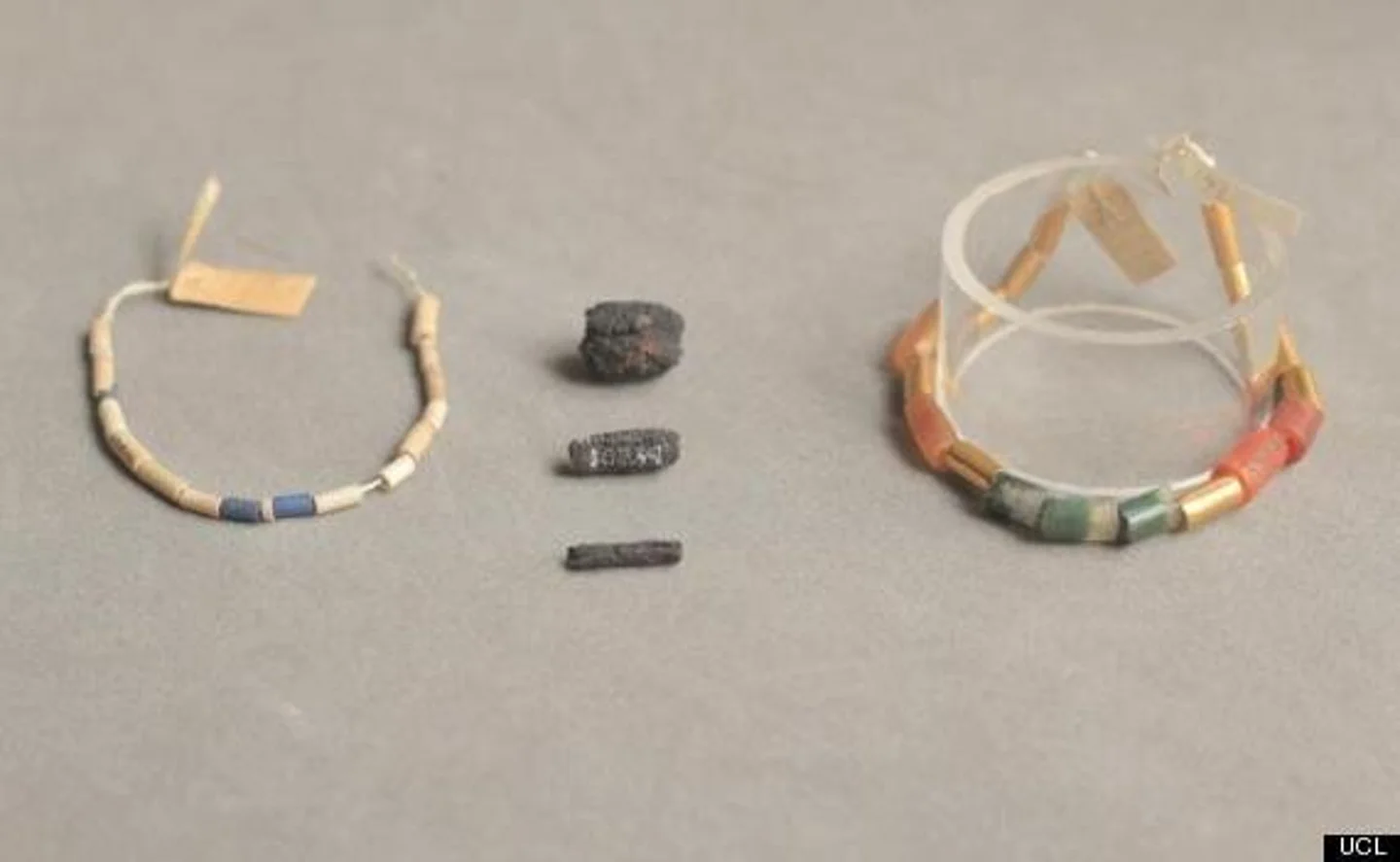
Even before Tutankhamun, ancient Egyptians were working with meteoritic iron. Tiny beads discovered near Fayoum, dating back over 5,000 years, were likely worn as talismans. Imagine wearing a bead that literally came from the heavens; it must have felt like carrying a piece of the cosmos around your neck. These tiny objects show that prehistoric Egyptians were not only skilled artisans but also curious stargazers.
Nakla Meteorite: A Visitor From Mars
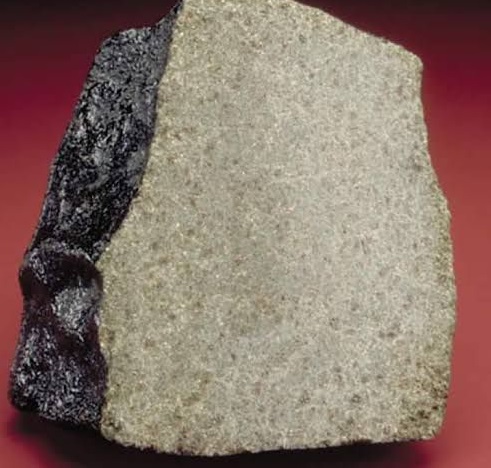
In 1911, a meteorite streaked across the Egyptian sky and landed near the Nile Delta village of Nakla. Scientists later confirmed something extraordinary: it came from Mars. Today, fragments of the Nakla meteorite are preserved in museums worldwide, letting researchers study Martian geology without ever leaving Earth.
Hypatia: The Stone That Defies Earthly Rules
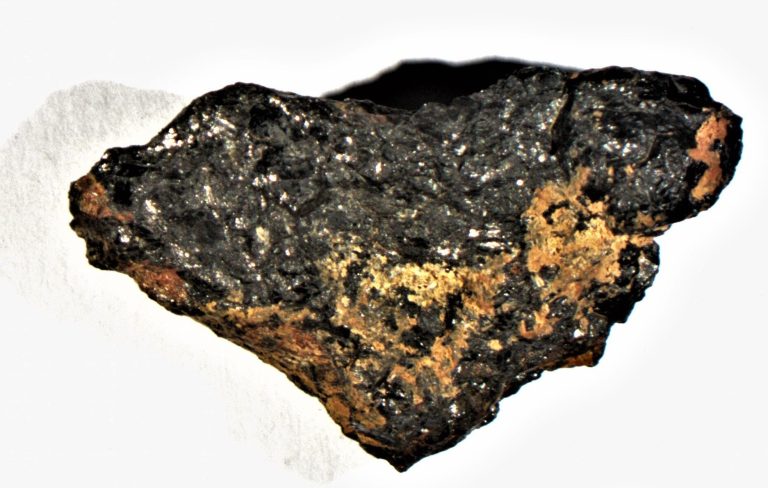
In 1996, the Western Desert revealed something that baffled scientists: a mysterious stone named Hypatia. Its chemical makeup doesn’t match anything naturally found on Earth, and some believe it may predate the solar system. Is it part comet, part asteroid, or something even older? Hypatia remains one of Egypt’s most intriguing cosmic puzzles.
A Crater in the Desert: Witness the Impact of Space
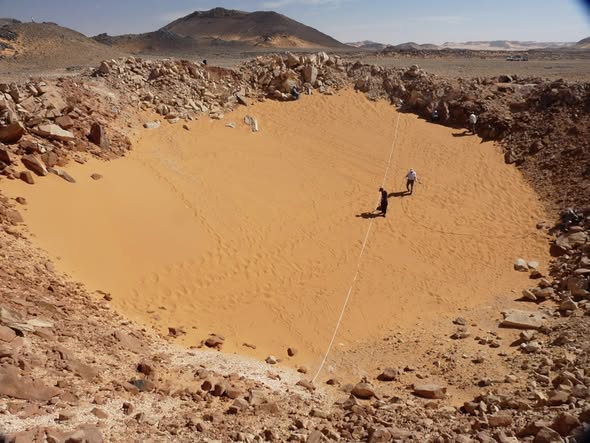
Travel a bit further into the desert, and you’ll find Jebel Kamil, a meteorite impact crater around 45 meters across. Hundreds of space-rock fragments litter the desert floor, a reminder that Egypt’s landscapes have been shaped by cosmic forces for millennia. Visiting the crater is a humbling experience, seeing firsthand the mark of a stone that once flew through the solar system.
The Egyptian Geological Museum: Your Passport to the Universe
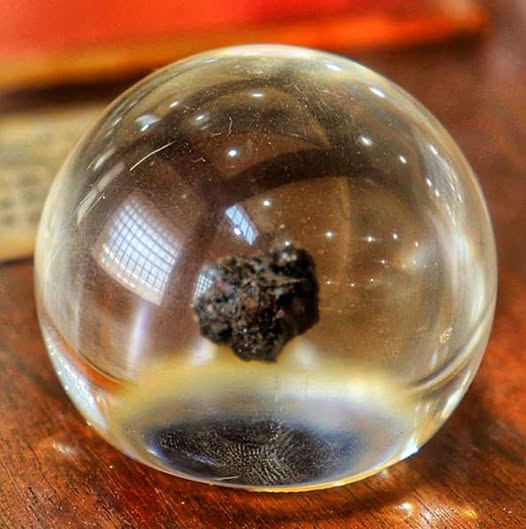
Want to see these cosmic wonders up close? The Egyptian Geological Museum in Cairo is your gateway. Its halls are packed with meteorites, minerals, and space rocks, including Nakla fragments and rare specimens like Hypatia. Interactive exhibits explain how these stones formed, how they travelled across the cosmos, and how ancient Egyptians used them.
Walking through the museum is like stepping into a time machine. You’ll hold pieces of Mars, see metal forged from meteors, and discover stones that predate our solar system, all while standing in the heart of Cairo. Whether you’re a history buff, a science enthusiast, or just someone who loves a good story, the museum makes the universe feel closer than ever.
Why It Matters
Egypt isn’t just the cradle of human civilisation; it’s a landing spot for cosmic history. Tutankhamun’s dagger, meteor beads, the Nakla meteorite, Hypatia, and desert craters all tell a story of a land touched by the heavens. The next time you look at the Egyptian sands, remember, some of its treasures didn’t come from this world.
recommended
 City Life
Battle of Flavours: Legacy vs Trend in Egyptian Desserts — El Malky vs B.Laban
C360 Food Cairo Culture +5 City Life
Lunar New Year and Valentine’s Day: A Season of Celebration at Four Seasons at The Nile Plaza
Four Season at the Nile Plaza ramadan 2026 City Life
Fairmont Nile City Presents a Refined Ramadan of Gatherings and Flavours
Fairmont Nile City Ramadan ramadan 2026 Arts & Culture