Look Up: 8 Different Minaret Styles You Can Spot Across Islamic Architecture
Abbasid Architecture Architectural History architecture arts and culture Cairo architecture Egypt History Emirati Architecture history Islamic Architecture islamic art Mamluk Architecture Minarets Mosque Architecture Mughal Architecture Ottoman Architecture Seljuk Architecture Timurid Architecture Umayyad Architecture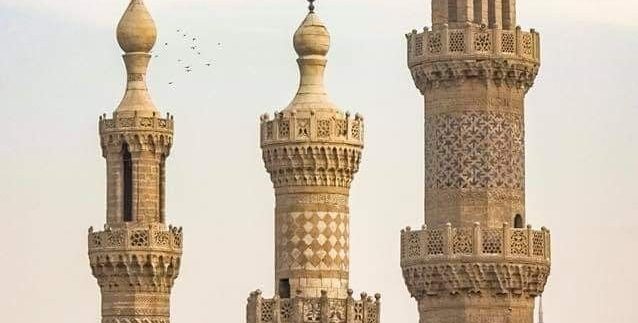
Safy Allam
Image via website
There is something about a minaret that naturally makes you look up. Rising above mosques and among the most recognisable parts of the skyline, these towers have shaped Islamic cities for centuries. But look a little closer, and you will notice that no two traditions quite do things the same way.
Some minarets spiral dramatically into the sky, others are tall and impossibly slender, while some are covered in layers of carved stone, geometric patterns or colourful tiles. Their differences are not simply decorative. They reflect the places, periods, materials and architectural traditions from which they emerged. From the Abbasid world to Mamluk Cairo and Ottoman Istanbul, here are eight minaret styles that show just how varied Islamic architecture can be.
The Abbasid Minaret: The One That Spirals
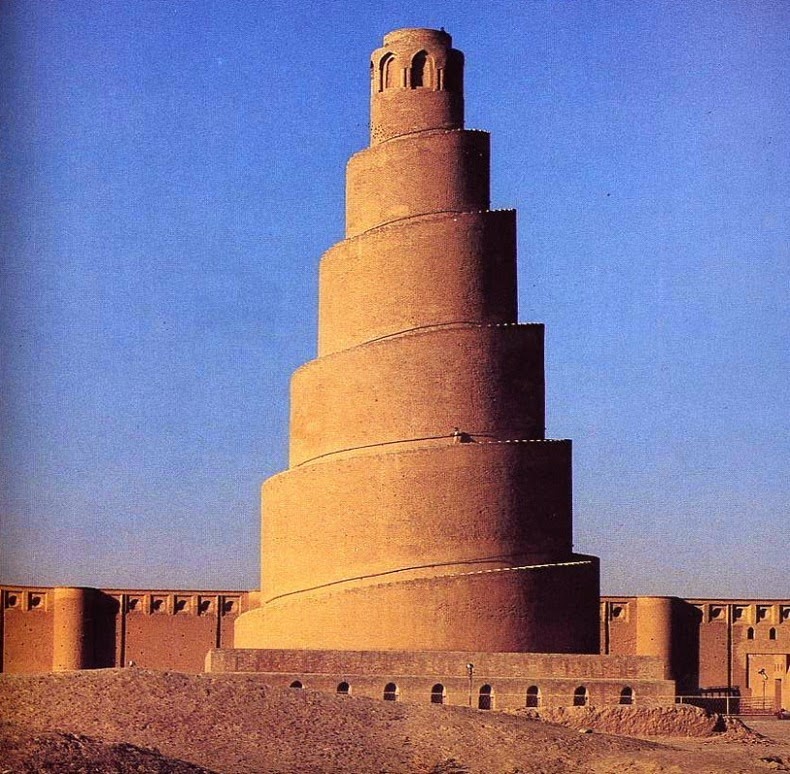
Image via website
Imagine a minaret that you can almost walk around as you climb it, winding upwards in a giant spiral. That is the unmistakable character of the Abbasid minaret. The most famous example is the Malwiya Minaret at the Great Mosque of Samarra in Iraq. Built in the ninth century, the enormous tower rises from a square base into a circular, spiralling form, with its radius decreasing as you ascend, creating one of the most unusual silhouettes in Islamic architecture. It is a good reminder that Islamic architecture has never been afraid to experiment with form.
The Seljuk Minaret: When Brick Becomes Ornament
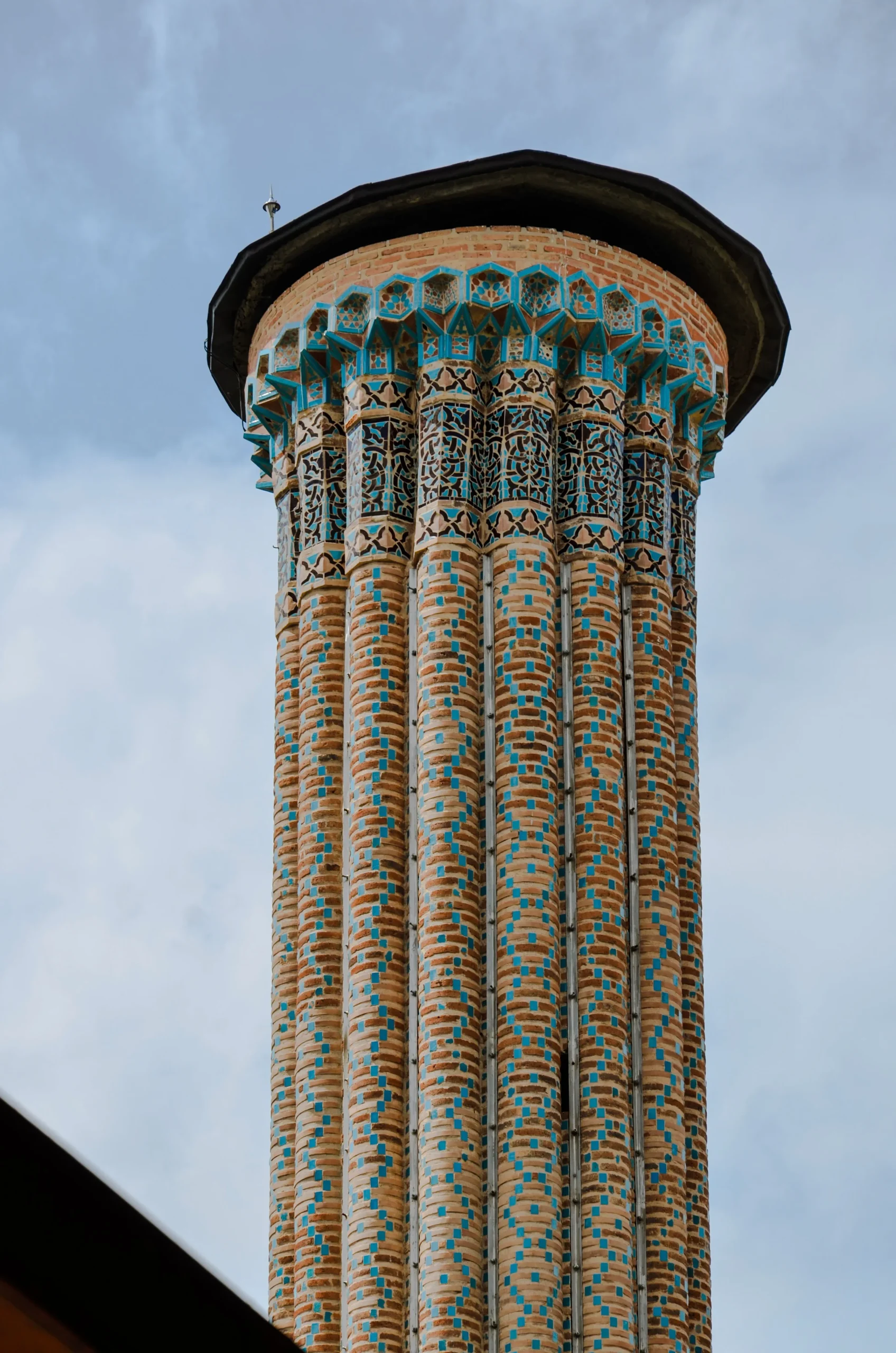
Image via website
In Seljuk architecture, attention should be paid to the material itself. Across Anatolia, Seljuk architects and craftsmen used brick, stone, and tile to create minarets with strong geometric character. The Çifte Minareli Medrese in Sivas, for instance, takes its name from the twin polychrome brick minarets rising above its monumental portal.
Another striking example is the Yivli Minaret in Antalya, whose fluted shaft and coloured tile decoration give it a distinctive appearance. It is a unique example of Anatolian Turkish architecture, with a red-brick shaft originally decorated with dark blue and turquoise tiles—a style where construction and decoration almost become one. The way the bricks and tiles are arranged is what gives the tower much of its identity.
The Mamluk Minaret: Cairo’s Signature Skyline
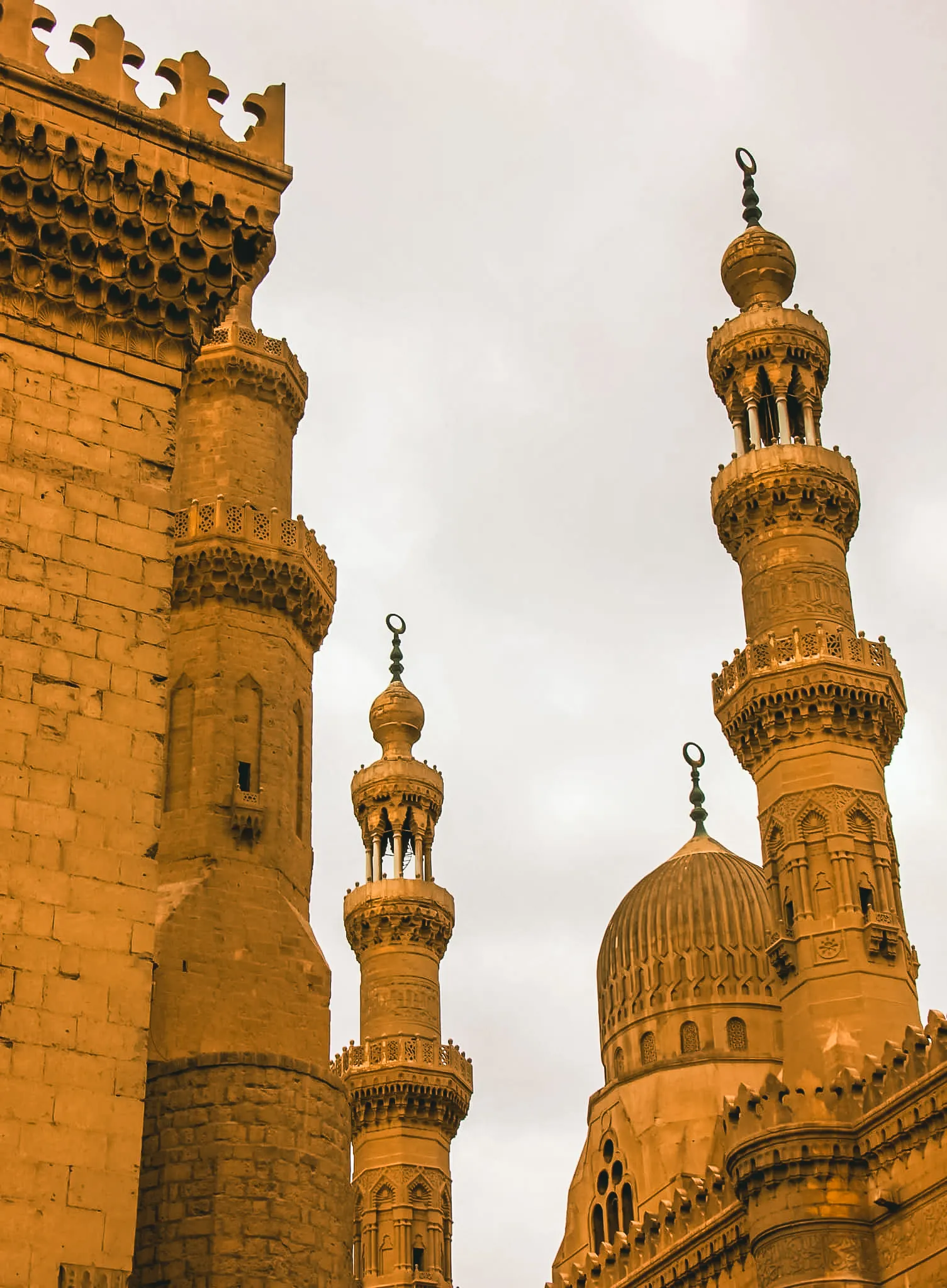
Image via website
If there is one place where looking up rewards you every time, it is Cairo. The city’s historic skyline is filled with Mamluk minarets, and once you know what to look for, their layered forms become instantly recognisable. Instead of reading as one continuous tower, they are often composed of several sections, with changes in geometry, balconies, and decoration as the tower rises.
The minaret of Sultan Hasan Mosque is one of the most famous examples. Its tower moves from a square base into an octagonal section before continuing upwards through additional tiers, balconies, and a final open pavilion. This three-tiered composition is considered a signature of Mamluk religious architecture that helped define Cairo’s iconic skyline. And that is exactly what makes the Mamluk style so fascinating. Every time your eye moves upwards, there is another detail to discover.
The Timurid Minaret: Let the Tiles Do the Talking
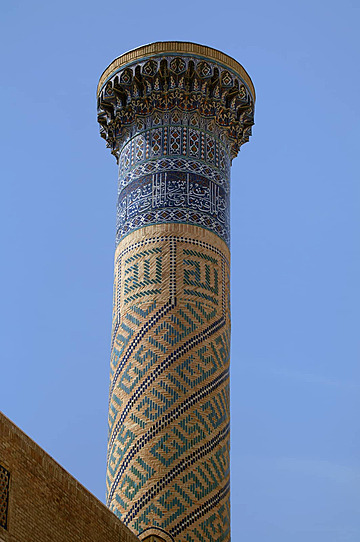
Image via website
Some minarets make an impression through their silhouette. Timurid minarets can do it through their surfaces. Across Central Asia and Persia, Timurid architecture became known for its monumental scale, multiple minarets, and spectacular polychrome tilework. Blues and turquoise tones, geometric patterns, and intricate decorative compositions transform a tower into something that feels almost jewel-like. Monumental scale, multiple minarets and polychrome tilework are what define Timurid architecture. Here, the surface of the minaret is almost as important as its structure. Instead of simply looking at the tower as a vertical marker, you find yourself looking at it as a canvas covered in colour, pattern, and craftsmanship.
The Mughal Minaret: All About Balance
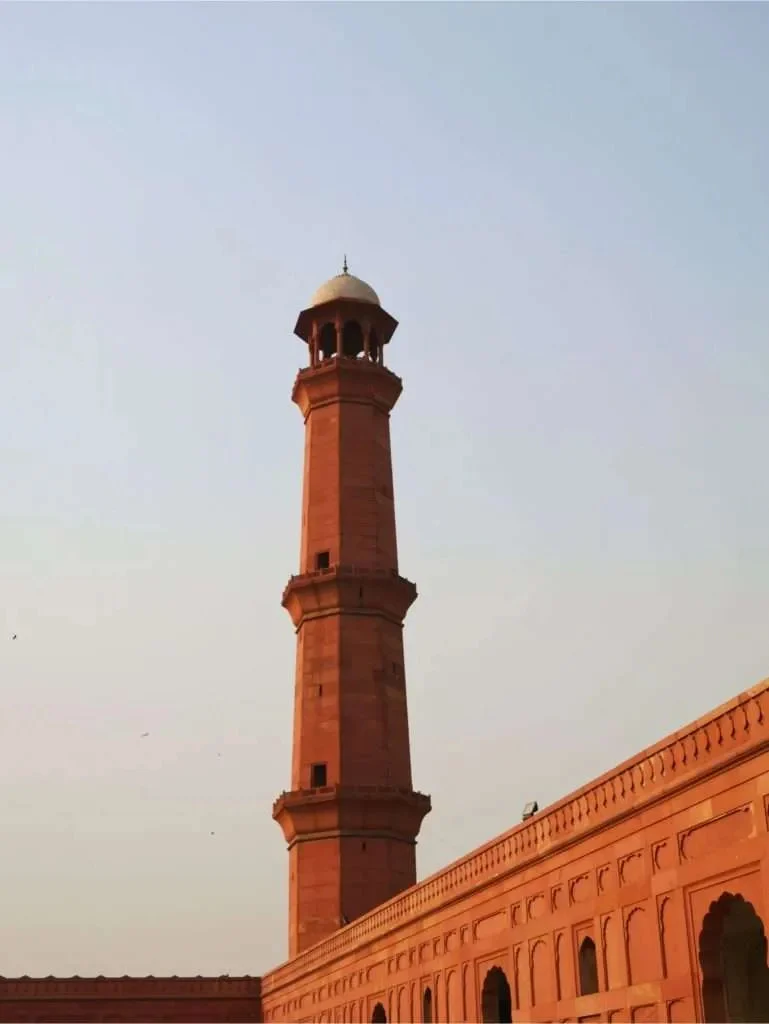
Image via website
Travel to India and the minaret takes on another role. Mughal architecture is known for its sense of symmetry, balance, and carefully composed monumental spaces, and few buildings demonstrate this better than the Taj Mahal. Four slender minarets stand at the corners of the marble platform, framing the central mausoleum and helping create its almost perfectly balanced appearance.
There is an interesting detail here. Unlike the minarets of a mosque, the Taj Mahal’s towers were designed as ornamental elements rather than functioning as places for the call to prayer. They were part of the Mughal emphasis on harmony and symmetry, helping frame the central dome and reinforce the composition. It is a perfect example of how a minaret can become more than a functional architectural element. Here, it is part of the visual choreography of the entire building.
The Emirati Minaret: Inspired by Home
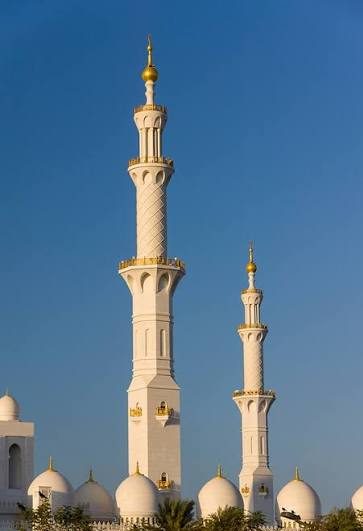
Image via website
Not every minaret needs to look monumental to make an impression. Traditional Emirati mosque architecture often takes a more restrained approach, drawing on local materials, simple forms, and the colours of the surrounding landscape. Rather than relying on layers of elaborate ornament, these minarets can have relatively simple shafts, small openings and warm, sandy finishes that feel naturally at home in the Gulf. It is worth noting that an “Emirati minaret” is not a single historical style in the same way that Ottoman or Mamluk architecture is. Instead, it is better understood as part of the UAE’s evolving vernacular and contemporary architectural language.
The country’s mosques can also bring together several traditions. At Sheikh Zayed Grand Mosque in Abu Dhabi, for example, the four minarets rise from the corners of the courtyard and combine square, octagonal, and circular sections, reflecting the building’s deliberate mix of Islamic architectural influences. The result is a style that can feel both rooted in its surroundings and open to the wider history of Islamic architecture.
The Ottoman Minaret: Tall, Slender and Elegant
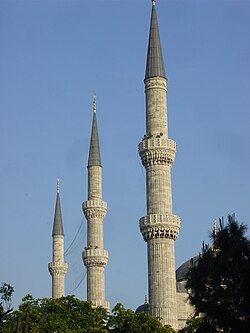
Image via website
Then comes the minaret, which is probably the easiest to picture: the Ottoman pencil-shaped tower. If you have ever seen photographs of Istanbul and noticed its incredibly slender minarets rising around enormous domes, you have seen the Ottoman architectural language at work. These towers are typically tall and narrow, with elegant circular balconies and pointed spires that emphasise their verticality. This slender, pencil-shaped minaret style is considered one of the signature elements of Ottoman architecture, alongside large hemispherical domes and enclosed courtyards. The contrast is what makes them so effective. The mosque’s dome feels broad and grounded, while the minaret stretches upwards, giving the whole composition a sense of movement.
The Umayyad Minaret: Simple and Solid
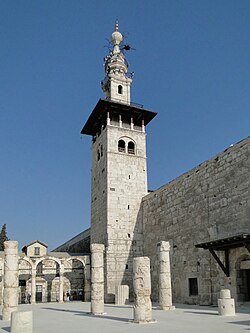
Image via website
Before minarets became associated with the many distinctive forms we recognise today, early Islamic architecture was already developing its own vocabulary. The Umayyad tradition tends towards a more solid and straightforward architectural expression, with strong geometric forms, masonry construction, and relatively restrained decoration. The Great Mosque of Damascus is one of the most important surviving monuments of the Umayyad period, although its three surviving minarets were built and altered at different times.
That history is part of what makes the mosque so interesting. Rather than representing a single frozen architectural moment, it shows how Islamic architecture continued to evolve as successive periods left their mark on the same building. Here, the beauty is less about intricate ornament and more about proportion, structure, and sheer presence.
Eight Minarets, Eight Ways of Looking Up
What makes minarets so fascinating is that they can tell you a surprising amount about a place before you even step inside the mosque. Historically, minarets served an important practical purpose, providing a high point from which the call to prayer could be announced. Today, technology has changed that function, but the minaret remains one of the strongest visual symbols of the mosque and an important part of the architectural identity of Islamic cities.
So, the next time you find yourself walking past a mosque, take a second to look up. Pay attention to the shape, the balconies, the materials and what happens at the very top. You might be looking at much more than a tower. You might be looking at centuries of architectural history decorating our skyline.
recommended
 City Life
Media Republic Expands into Saudi Arabia with Arsan Global Partnership
Advertising Agencies Arsan Global +7 City Life